
As church leaders, it is tempting to implement ideas we see on social media, read about in ministry books, or hear at conferences like Leadership Institute. We watch other churches doing incredible things and wonder if we should be doing the same.
The challenge is that what works well in one community may not be what another needs. Even the best ideas can fall flat if they are not rooted in the people we serve. Before launching a new ministry, planning an event, or trying the latest trend, we need to spend time listening.
- 4 MIN READ
- Key Takeaways
- Why the best ministry ideas grow from listening, not importing
- The one question that reveals where God is already working
- Why the people you serve often see what you can’t
I learned this while serving a small rural congregation. I had been told they wanted to do more for their community, and as I got to know them, I realized they were uniquely positioned to do just that. They were the only church in town open to everyone, since the others were Catholic and Missouri Synod Lutheran.
Rather than deciding for them what ministry should look like, I wanted to hear what they were dreaming about. In a small town, people love a potluck, so we hosted a Dishes & Dreams Potluck. Everyone was invited – young and old, longtime and new – to bring their ideas. As we shared a meal, I listened and took notes. We talked about new ministries we could start, but also asked: What is already happening in our community that we could join?
One idea became a Mommy & Me Playgroup. A young mother told me she wanted a Bible study, but after having her children in daycare all day, she did not want to leave them in childcare again at church. Even as a mom of four, I had not considered that. So I asked her to choose a study, and we invited local moms to bring their children to play while we talked about Jesus. Most were not members, but they came to know they were always welcome.
Another idea grew into a coffee ministry. Because the church sat across from the school, members wanted to support local students and staff, so they offered free coffee and breakfast before school once a month. Attendance varied, but it became a simple reminder that the doors were open and everyone was welcome.
As people continued listening, other opportunities emerged. The church opened its doors during parades and car shows, hosted the junior and senior prom banquet, and made space for the bake sale at the town’s Christmas extravaganza.
Looking back, the growth we saw did not happen because I brought great ideas to the church. It happened because the congregation discovered a shared vision for loving their community. The ministries that flourished were the ones that emerged from listening.
I now serve a very different congregation – a larger church downtown. Potlucks are not common, but committee meetings certainly are. As we began planning Vacation Bible School this year, I asked our Family Ministries Committee what they wanted to try.
I had my own ideas, but they had a different one: host VBS at a local park rather than in our building. They wanted it to feel more like an outreach event, believing some families would be more comfortable there than at church. Again, it was not something I would have thought of on my own.
For several years, VBS had struggled. This year felt different. We welcomed many children we had never met, and both kids and volunteers loved gathering at the park by the city lake. What made the difference was not a new curriculum or a better program. It was listening to the people who knew the community best.
As leaders, we will always encounter new ideas and ministry models. Many are good. But perhaps our most important task is not generating ideas – it is listening. Listening in committee meetings, Bible studies, hallway conversations, and fellowship time. Listening to the people God has entrusted to our care and paying attention to where they sense God moving.
God is already at work in our churches and communities. Our calling is not to chase every good idea we encounter. Our calling is to listen well enough to recognize where God is leading and then join in.
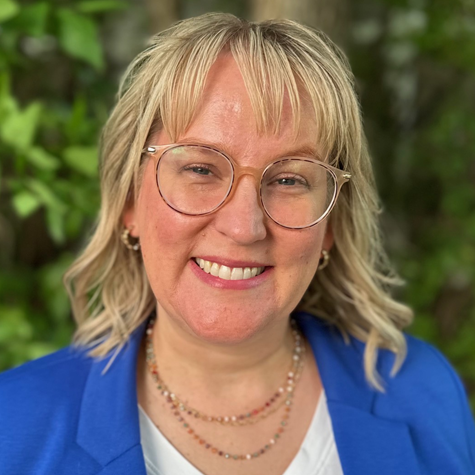
Written By:
Rev. Dr. Amber Laffey
Youth and Faith Formation Pastor, Mitchell, South Dakota
Bio
Amber is a Deacon in the United Methodist Church who is passionate about creating safe and welcoming spaces where people can deepen their connection with God, discover their purpose, and build meaningful relationships with one another. In addition to her church role, she is host of the Confident Clergy Women podcast and an affiliate professor at both Kairos University and Dakota Wesleyan University.